
Dental Emergencies 101: What to Do Before You Reach Your Arlington Heights Emergency Dentist
Dental emergencies can happen when you least expect them—during a busy workday, late at night, or right before an important meeting. For working adults in Arlington Heights, IL, knowing how to respond quickly and effectively can make the difference between saving and losing a tooth.
At practices like Definite Dental, patient-centered care, advanced technology, and a commitment to comfort ensure that emergencies are handled with urgency and precision. But before you even reach the dental office, understanding what to do in those critical first moments is essential.
This guide will walk you through common dental emergencies, their causes and symptoms, and exactly what steps to take before you arrive at your emergency dentist.
What Is Emergency Dentistry?
Emergency dentistry focuses on diagnosing and treating urgent dental issues that require immediate attention. These situations often involve severe pain, bleeding, trauma, or infection that cannot wait for a routine appointment.
Common dental emergencies include:
- Severe toothaches
- Knocked-out or broken teeth
- Abscesses or infections
- Lost fillings or crowns
- Soft tissue injuries
Prompt care not only relieves pain but also prevents complications that could lead to more extensive—and costly—treatment later.
Common Causes of Dental Emergencies
Understanding what leads to dental emergencies can help you avoid them in the future.
1. Untreated Tooth Decay
Untreated cavities can progress to infections, leading to severe pain or abscesses.
2. Trauma or Injury
Sports injuries, accidents, or falls can result in chipped, cracked, or knocked-out teeth.
3. Biting Hard Foods
Chewing on ice, hard candy, or other tough foods can crack teeth or damage restorations.
4. Gum Disease
Advanced periodontal disease can weaken the supporting structures of your teeth, increasing the risk of tooth loss.
5. Worn Dental Work
Old fillings, crowns, or bridges can loosen or break, especially under pressure.
Symptoms of Different Dental Emergencies
Recognizing the symptoms early can help you take action quickly.
Severe Toothache
- Persistent or throbbing pain
- Sensitivity to hot or cold
- Swelling around the tooth
Knocked-Out Tooth
- Complete displacement from the socket
- Bleeding from the gums
Cracked or Broken Tooth
- Sharp pain when biting
- Visible damage or jagged edges
Dental Abscess
- Swelling in the face or jaw
- Fever
- Bad taste or odor in the mouth
Lost Filling or Crown
- Sudden sensitivity
- Visible gap or exposed tooth structure
If you experience any of these symptoms, it is important to contact an emergency dentist as soon as possible.
What to Do in a Dental Emergency
Taking the right steps before you reach your dentist can significantly improve outcomes.
For a Knocked-Out Tooth
- Handle the tooth by the crown, not the root
- Rinse gently with water (do not scrub)
- Try to place it back in the socket if possible
- If not, store it in milk or saliva
For a Severe Toothache
- Rinse your mouth with warm saltwater
- Use a cold compress to reduce swelling
- Avoid placing aspirin directly on the gums
For a Broken Tooth
- Rinse your mouth with warm water
- Save any broken pieces
- Apply a cold compress
For a Lost Crown
- Keep the crown if possible
- Avoid chewing on that side
- Use dental cement if available as a temporary fix
These steps are temporary measures—professional care is still necessary.
How to Manage Pain Before Your Emergency Appointment
Dental pain can be intense and disruptive, especially when you are trying to get through a workday or manage daily responsibilities. While professional treatment is essential, there are safe and effective ways to manage discomfort until you can reach your emergency dentist.
Safe Pain Relief Options
Over-the-counter medications like ibuprofen or acetaminophen can help reduce pain and inflammation. Always follow the recommended dosage and avoid placing medication directly on the gums, as this can irritate them.
Use a Cold Compress
Applying a cold compress to the outside of your cheek for 15–20 minutes at a time can help reduce swelling and numb the area. This is especially helpful for injuries or facial swelling.
Rinse with Warm Saltwater
A gentle saltwater rinse can help cleanse the area, reduce bacteria, and provide temporary relief—particularly for toothaches or gum irritation.
Avoid Triggers
Stay away from extremely hot, cold, or sugary foods and drinks, as they can worsen sensitivity and pain.
Keep Your Head Elevated
If you are experiencing throbbing pain, keeping your head elevated—especially when lying down—can help reduce pressure and discomfort.
These steps are temporary solutions, but they can make a significant difference in keeping you comfortable until you receive professional care.
What NOT to Do During a Dental Emergency
In a stressful situation, it is easy to make decisions that can unintentionally worsen the problem. Knowing what to avoid is just as important as knowing what to do.
Do Not Ignore the Pain
Even if the discomfort comes and goes, dental pain is often a sign of an underlying issue that needs attention. Delaying treatment can lead to more serious complications.
Do Not Apply Aspirin Directly to Gums
This common myth can actually cause chemical burns to your gum tissue. Always take medication as directed—never apply it topically unless instructed by a professional.
Do Not Use Household Glue on Dental Work
If a crown or filling falls out, avoid using super glue or other adhesives. These substances can damage your tooth and complicate future treatment.
Do Not Chew on the Affected Side
Placing pressure on a damaged tooth worsens the situation, potentially leading to further fractures or increased pain.
Do Not Wait for Swelling to Go Down
Swelling can indicate infection, which may spread if left untreated. It is important to seek care as soon as possible.
Avoiding these common mistakes helps protect your oral health and improves the chances of a successful outcome.
When to Go to the ER vs See an Emergency Dentist
One of the most common questions patients have is whether to visit the emergency room or a dental office.
Go to the ER if you have:
- Severe facial swelling affecting breathing
- Uncontrolled bleeding
- Trauma involving the head or jaw
- Signs of a serious infection spreading (fever, swelling in the neck)
See an Emergency Dentist if you have:
- Tooth pain or sensitivity
- Broken, chipped, or knocked-out teeth
- Lost restorations
- Localized swelling or abscess
Emergency rooms are typically not equipped to treat dental issues beyond pain management and infection control. An emergency dentist provides the specialized care needed to resolve the problem at its source.
How to Find an Emergency Dentist in Arlington Heights, IL
When time is critical, knowing where to turn is essential.
Look for:
- Same-day or urgent appointment availability
- Experience in handling a wide range of dental emergencies
- Advanced diagnostic technology
- A patient-focused approach
For working adults, convenience matters. Choosing a local Arlington Heights emergency dentist ensures quicker access to care and easier follow-up visits.
Practices like Definite Dental prioritize accessibility, comfort, and efficient treatment—key factors when dealing with unexpected dental issues.
The Importance of Acting Quickly
Delaying treatment during a dental emergency can lead to serious complications, including:
- Infection spreading to other areas
- Permanent tooth loss
- Increased treatment costs
- More invasive procedures
For example, a knocked-out tooth has the highest chance of being saved if treated within 30–60 minutes. Acting quickly can make all the difference.
Preventing Dental Emergencies
While not all emergencies can be avoided, many can be prevented with proper care.
Prevention tips:
- Maintain regular dental checkups
- Wear a mouthguard during sports
- Avoid chewing hard objects
- Address dental issues early
- Practice good oral hygiene
Preventive care is always more convenient—and less stressful—than emergency treatment.
What to Expect During an Emergency Dental Visit
Knowing what happens during your visit can help ease anxiety.
Your appointment may include:
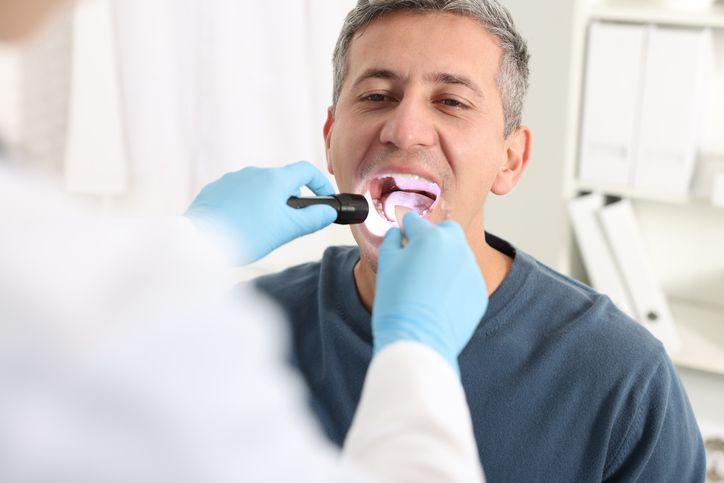
- A thorough examination
- Digital imaging or X-rays
- Diagnosis of the issue
- Immediate treatment to relieve pain
- A long-term treatment plan, if needed
Emergency dentists focus on stabilizing your condition first, then addressing the root cause.
Follow-Up Care After a Dental Emergency
Emergency treatment is often just the first step. Proper follow-up care ensures that the issue is fully resolved and helps prevent future problems.
Restorative Treatments
Depending on the situation, you may need additional procedures such as:
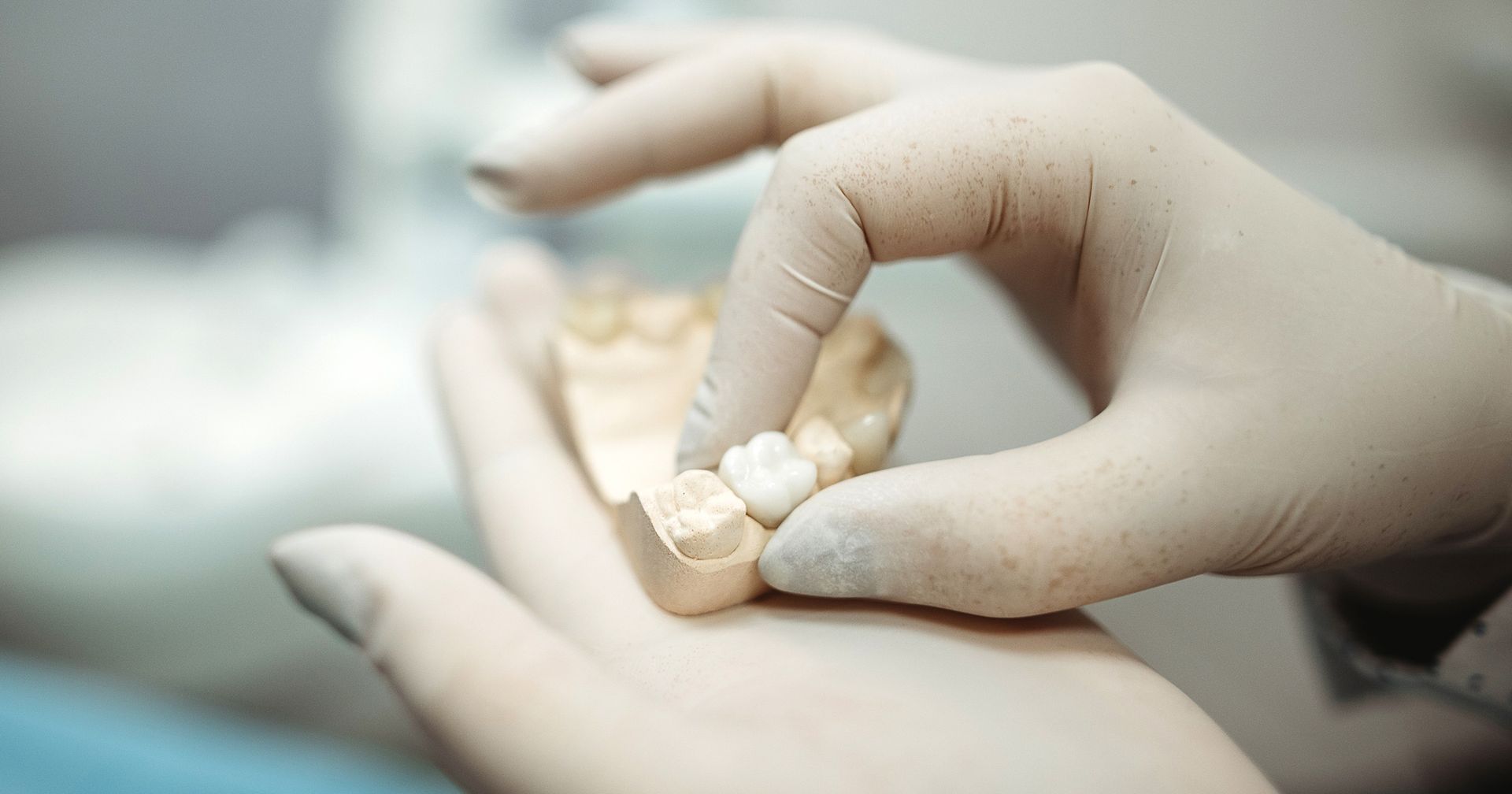
- Dental crowns to restore damaged teeth
- Root canal therapy to treat infection
- Replacement of lost fillings or restorations
These treatments help restore both function and appearance.
Monitoring Healing
Your dentist may schedule follow-up visits to check your progress and ensure the affected area is healing properly. Attending these appointments is essential for long-term success.
Maintaining Oral Hygiene
Keeping your mouth clean is critical after an emergency. Brush and floss gently, especially around the treated area, and follow any specific care instructions provided by your dentist.
Preventing Future Emergencies
Your dentist may recommend preventive measures such as:
- Nightguards for teeth grinding
- Mouthguards for sports or physical activity
- Addressing underlying issues like decay or gum disease
Taking these steps can significantly reduce the risk of future dental emergencies.
Why Choosing a Local Arlington Heights Dentist Matters
In an emergency, proximity and trust are everything.
- Provides faster access to care
- Understands the needs of the community
- Offers continuity for follow-up treatment
- Builds long-term patient relationships
For busy professionals, having a reliable emergency dentist nearby provides peace of mind in unexpected situations.
Frequently Asked Questions (FAQ)
What qualifies as a dental emergency?
Any issue involving severe pain, bleeding, trauma, or infection that requires immediate attention is considered a dental emergency.
How quickly should I see a dentist for a toothache?
You should contact a dentist as soon as possible, especially if the pain is severe or persistent.
Can a knocked-out tooth be saved?
Yes, if treated quickly—ideally within 30–60 minutes—the tooth may be successfully reinserted.
Is a chipped tooth an emergency?
It depends on the severity. Minor chips may wait, but larger breaks or pain require immediate care.
What should I do if I have swelling in my face or jaw?
Swelling can indicate infection. Contact a dentist immediately, or go to the ER if it affects breathing.
Will insurance cover emergency dental care?
Coverage varies by plan, but many insurance providers offer some level of emergency dental benefits.
Do Not Wait—Get the Emergency Dental Care You Need
Dental emergencies are stressful, but knowing what to do can help you stay calm and protect your oral health. Acting quickly, recognizing symptoms, and choosing a trusted Arlington Heights emergency dentist can make all the difference.
If you are experiencing a dental emergency, do not delay care. Prompt treatment can relieve pain, prevent complications, and help restore your smile as quickly as possible.